
How to Reduce Memory 1.8 Usage in Windows 11 [2027] – Complete Guide
High memory usage in Windows 11 can make your PC feel slow, cause applications to freeze, and increase loading times. If your computer is running out of RAM while browsing, gaming, working, or multitasking, reducing unnecessary memory consumption can help improve overall performance.
The good news is that you don’t always need to install a memory cleaner or upgrade your hardware. Windows 11 includes several built-in tools that help identify apps using too much RAM, control startup programs, manage background activity, and troubleshoot memory problems. This guide explains practical ways to reduce memory usage in Windows 11, Windows 10, and laptops in 2027.
Reduce Memory Download Links
| Official Website | Nitroflare | Rapidgator |
|---|---|---|
| 🌐 OFFICIAL DOWNLOAD | 🟡 DOWNLOAD | 🟣 DOWNLOAD |
Windows 11 Memory Usage – Quick Information
| Item | Details |
|---|---|
| Topic | How to Reduce Memory Usage |
| Operating System | Windows 11 and Windows 10 |
| Category | Windows Optimization and Troubleshooting |
| Main Resource | RAM (Random Access Memory) |
| Built-in Tools | Task Manager, Settings, Resource Monitor, Windows Security |
| Difficulty | Beginner to Intermediate |
| Recommended For | Desktop PCs and laptops |
| Cost | Free |
| Best Approach | Identify memory-heavy apps and manage unnecessary background processes |
What Is Memory Usage in Windows 11?
Memory usage refers to the amount of RAM currently being used by Windows, applications, background services, and other system processes. RAM temporarily stores the information your computer needs to access quickly while programs are running.
For example, opening multiple Chrome tabs, editing videos, playing games, or running several applications simultaneously can increase memory consumption. Windows also uses RAM for system services, caching, and background tasks, so seeing some memory usage even when your PC is idle is completely normal.
High RAM usage is not automatically a problem. You should investigate it when your computer becomes slow, applications stop responding, or Windows frequently displays low-memory warnings.
How to Check Memory Usage in Windows 11
Before changing any settings, identify which applications are consuming the most RAM.
Method 1: Use Task Manager
-
Press Ctrl + Shift + Esc to open Task Manager.
-
Select the Processes tab.
-
Find the Memory column.
-
Click the Memory heading to sort applications by RAM consumption.
-
Identify programs using unusually large amounts of memory.
-
Close applications you don’t currently need.
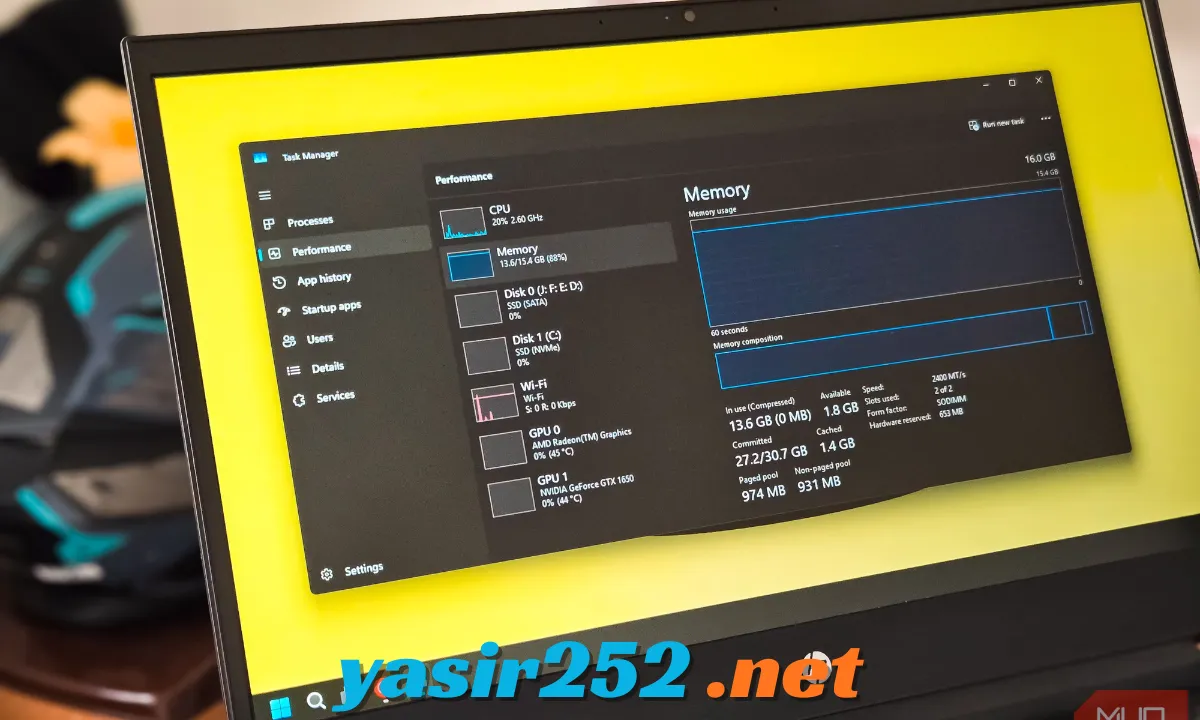
You can also open the Performance tab and select Memory to view total RAM, available memory, memory speed, and other details.
Important: Don’t end unfamiliar Windows system processes just because they use RAM. Some are essential for Windows to operate correctly.
How to Reduce Memory Usage in Windows 11
Here are the most useful methods to lower unnecessary RAM consumption without damaging Windows settings.
1. Close Unnecessary Applications
Running too many applications simultaneously is one of the most common reasons for high memory usage.
Open Task Manager, check the Memory column, and close programs you are not using. Browsers, video editors, games, virtual machines, and creative applications can consume significant amounts of RAM.
Save your work before closing any application.
2. Disable Unnecessary Startup Programs
Many applications automatically launch when Windows starts. These programs can consume RAM even when you are not actively using them.
Follow these steps:
-
Press Ctrl + Shift + Esc.
-
Open the Startup apps section.
-
Review the applications listed.
-
Select programs you don’t need immediately after startup.
-
Click Disable.
You can also manage startup applications through:
Settings → Apps → Startup
Keep essential security software, hardware utilities, and important system tools enabled.
3. Restart Your Computer
Restarting Windows can clear temporary memory allocations and close applications or processes that have been running for a long time.
To restart your PC:
-
Save your open documents.
-
Click the Start menu.
-
Select the Power icon.
-
Choose Restart.
A restart is particularly useful when memory usage gradually increases during long sessions or an application stops responding.
4. Reduce Google Chrome Memory Usage
Google Chrome can consume substantial RAM when many tabs and extensions are active.
Try these steps:
-
Close tabs you no longer need.
-
Remove unnecessary browser extensions.
-
Avoid keeping multiple browser windows open.
-
Enable Chrome’s Memory Saver feature.
-
Update Chrome to the latest available version.
To enable Memory Saver, open Chrome and navigate to:
Settings → Performance → Memory Saver
Choose the appropriate Memory Saver setting. This feature can deactivate inactive tabs and reduce their memory consumption.
5. Disable Unnecessary Background Apps
Some applications continue running background tasks when you are not actively using them.
To manage background activity:
-
Open Windows Settings.
-
Select Apps → Installed apps.
-
Find the application you want to manage.
-
Click the three-dot menu.
-
Select Advanced options, if available.
-
Find Background app permissions.
-
Change the setting to Never, where appropriate.
Not every desktop application provides this option. Avoid disabling background activity for programs that need to deliver notifications, synchronize files, or perform essential tasks.
6. Uninstall Applications You Don’t Use
Unused software can install background services, scheduled tasks, and startup components that consume system resources.
To remove unnecessary applications:
-
Open Settings.
-
Select Apps → Installed apps.
-
Review the installed application list.
-
Find software you no longer need.
-
Select the three-dot menu.
-
Click Uninstall and follow the instructions.
Only uninstall applications you recognize. Avoid removing unknown drivers or Microsoft system components.
7. Reduce Visual Effects
Windows 11 includes animations, transparency, and visual effects that can use additional system resources.
To adjust visual effects:
-
Press Windows + R.
-
Type
sysdm.cpland press Enter. -
Open the Advanced tab.
-
Under Performance, click Settings.
-
Select Adjust for best performance or manually disable unnecessary effects.
-
Click Apply.
This setting mainly affects visual performance and responsiveness. It is not a guaranteed way to free a large amount of RAM, but it can help on older or low-spec computers.
8. Scan Your Computer for Malware
Malware and unwanted software can run hidden processes that consume memory and affect system performance.
Use the built-in Windows Security application:
-
Open the Start menu.
-
Search for Windows Security.
-
Select Virus & threat protection.
-
Click Quick scan.
-
Follow the recommendations if threats are detected.
For persistent problems, consider running a Full scan. Keep Windows Security updated.
9. Update Windows 11
Outdated Windows components and application compatibility problems can contribute to performance issues.
To check for updates:
-
Open Settings.
-
Select Windows Update.
-
Click Check for updates.
-
Install available updates.
-
Restart your computer if required.
Also update applications and device drivers through their official update channels.
10. Adjust Virtual Memory Settings
Virtual memory allows Windows to use storage space as an extension of available memory when physical RAM becomes insufficient.
Windows normally manages the paging file automatically. For most users, the recommended approach is to keep this setting enabled.
To check it:
-
Press Windows + R.
-
Type
sysdm.cpl. -
Open Advanced.
-
Under Performance, select Settings.
-
Open the Advanced tab.
-
Under Virtual memory, click Change.
-
Check whether Automatically manage paging file size for all drives is enabled.
Avoid disabling the paging file to save disk space. Doing so can cause application crashes or memory-related errors.
11. Find Memory-Hungry Processes with Resource Monitor
Task Manager provides a quick overview, but Resource Monitor offers additional details about memory consumption.
To open it:
-
Press Windows + R.
-
Type
resmonand press Enter. -
Select the Memory tab.
-
Review the processes and their memory information.
-
Identify applications with unusually high memory consumption.
Resource Monitor is useful when you need more detailed information about processes using RAM.
12. Check for Memory Leaks
A memory leak occurs when an application continues holding memory it no longer needs instead of releasing it properly.
Possible symptoms include:
-
RAM usage gradually increases.
-
Your PC becomes slower after several hours.
-
One application consumes more memory over time.
-
Restarting the affected application temporarily improves performance.
Check Task Manager regularly to identify applications showing unusual memory growth. Update, repair, reinstall, or replace the affected application if the problem continues.
13. Keep Enough Free Storage Space
Windows needs available storage for temporary files, updates, and virtual memory operations. A nearly full system drive can make general system maintenance more difficult.
Use Windows Storage settings:
-
Open Settings.
-
Select System → Storage.
-
Review temporary files and storage categories.
-
Remove files you no longer need.
-
Enable Storage Sense if appropriate.
Remember that deleting files from your drive does not directly free physical RAM. It helps maintain available storage space.
14. Reduce Memory Usage by Limiting Browser Extensions
Browser extensions can run scripts and background processes that consume RAM.
For Chrome, open:
chrome://extensions/
Review installed extensions and remove those you no longer use. Apply the same principle to Microsoft Edge and other browsers.
Only install extensions from trusted sources.
15. Upgrade RAM if Your Computer Consistently Runs Out
Software optimization cannot always solve high memory usage. If your computer regularly runs out of available RAM while using your normal applications, a hardware upgrade may be the most effective solution.
For general guidance:
-
8 GB RAM: Suitable for basic everyday tasks, depending on workload.
-
16 GB RAM: A practical choice for general multitasking, browsing, and office work.
-
32 GB RAM: Useful for demanding creative applications, development, and heavier multitasking.
-
64 GB or more: Appropriate for specialized workloads such as large video projects, professional 3D work, and virtual machines.
Check your motherboard or laptop specifications before purchasing additional memory. Some laptops have soldered RAM that cannot be upgraded.
How to Reduce Memory Usage in Windows 10
Windows 10 users can also use several built-in optimization methods to reduce unnecessary RAM consumption.
-
Press Ctrl + Shift + Esc to open Task Manager.
-
Sort processes by Memory usage.
-
Close applications you don’t need.
-
Open the Startup tab and disable unnecessary startup programs.
-
Uninstall unused applications through Settings.
-
Update Windows and installed software.
-
Scan your PC for malware.
-
Keep virtual memory enabled and Windows-managed.
The same general memory-management principles apply to both Windows 10 and Windows 11, although some Settings menus have different names and locations.
How to Reduce Memory Usage on a Laptop
Laptops with limited RAM can experience slowdowns when several applications run simultaneously. These tips can help:
-
Limit Multitasking: Avoid running multiple demanding applications at once.
-
Manage Browser Tabs: Keep only essential tabs open.
-
Disable Startup Apps: Stop unnecessary programs from launching automatically.
-
Use Lightweight Applications: Choose applications that consume fewer resources when possible.
-
Control Background Activity: Restrict unnecessary background permissions.
-
Restart Regularly: Restart your laptop when memory usage becomes unusually high.
-
Check for Malware: Run regular security scans.
-
Upgrade RAM: Consider adding memory if your laptop supports an upgrade.
For laptops with 4 GB or 8 GB of RAM, managing browser tabs and background applications can make a noticeable difference.
How to Reduce Memory Usage in Task Manager
Task Manager is one of the easiest ways to identify applications consuming excessive memory.
Follow this process:
-
Press Ctrl + Shift + Esc.
-
Select the Processes tab.
-
Click the Memory column heading.
-
Find applications consuming the most RAM.
-
Close unnecessary applications.
-
Open the Performance tab to check overall memory usage.
Understanding the Memory column
| Task Manager information | Meaning |
|---|---|
| In use | RAM currently being used by Windows and applications |
| Available | Memory available for new applications and tasks |
| Committed | Virtual memory currently committed against the system limit |
| Cached | Memory containing cached data that can be reused |
| Paged pool | Kernel memory that can be moved to the paging file |
| Non-paged pool | Kernel memory that must remain in physical RAM |
A high percentage does not always indicate a problem. Windows uses available memory for caching and can reclaim some of it when applications need more RAM.
Why Is Windows 11 Using So Much RAM?
There are several reasons why Windows 11 may consume a large amount of memory.
| Possible cause | Recommended solution |
|---|---|
| Too many open applications | Close unnecessary programs |
| Too many browser tabs | Enable Memory Saver and close unused tabs |
| Startup applications | Disable unnecessary startup programs |
| Background processes | Restrict unnecessary background activity |
| Malware or unwanted software | Run a Windows Security scan |
| Memory leaks | Update or reinstall the affected application |
| Insufficient physical RAM | Consider a compatible RAM upgrade |
| Outdated applications | Install available application updates |
| Heavy workloads | Use applications that match your hardware capabilities |
Best Free Tools to Monitor Memory Usage
Windows already includes useful memory-monitoring tools. You do not need to install a third-party RAM cleaner to identify high memory usage.
| Tool | Main Purpose | Cost |
|---|---|---|
| Task Manager | Monitor RAM usage and running processes | Free |
| Resource Monitor | View detailed memory information | Free |
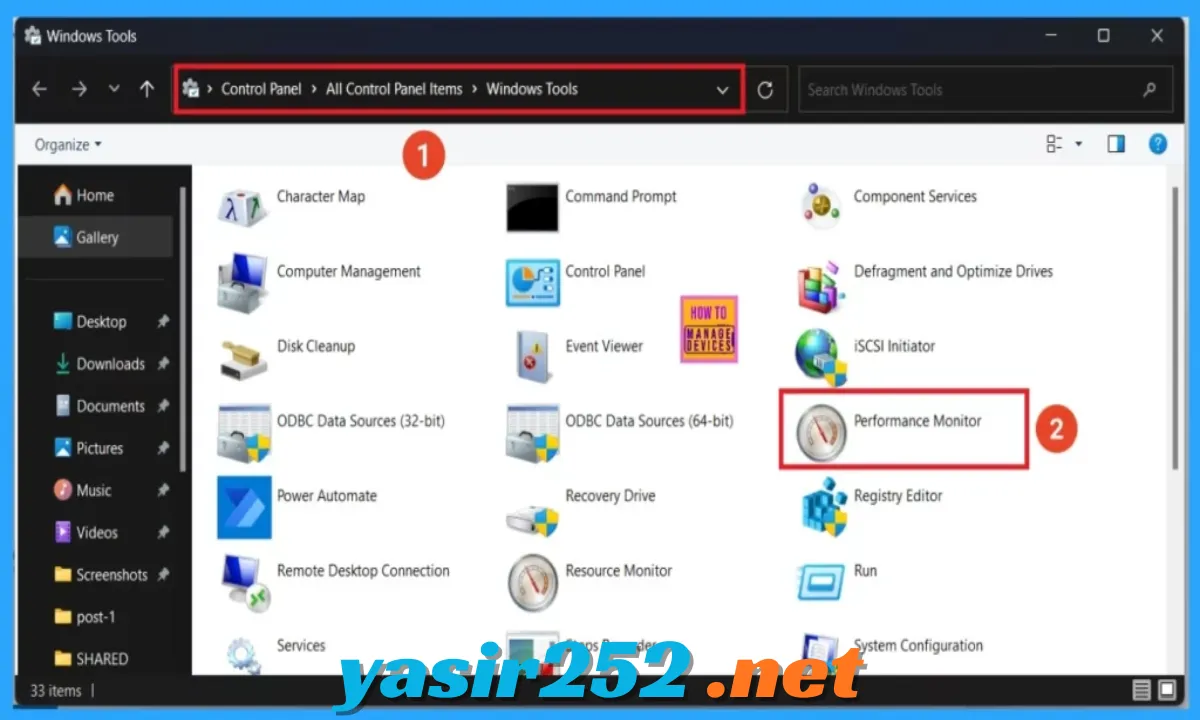
| Performance Monitor | Track system performance over time | Free |
| Windows Security | Scan for malware and unwanted software | Free |
| Settings – Storage | Manage storage and temporary files | Free |
Recommendation: Start with Task Manager and Resource Monitor. These tools provide enough information for most users to identify applications responsible for high memory consumption.
Common Mistakes to Avoid When Reducing RAM Usage
Some optimization methods found online can cause more problems than they solve.
-
Don’t End Random System Processes: Stopping essential Windows processes can cause instability or unexpected errors.
-
Don’t Disable the Paging File: Windows uses virtual memory to support applications when physical RAM is insufficient.
-
Avoid Unknown RAM Cleaners: Untrusted optimization tools may create unnecessary background activity or expose your computer to unwanted software.
-
Don’t Disable Every Startup Service: Security software, drivers, and important utilities may need to run automatically.
-
Don’t Delete System Files: Removing Windows components can damage the operating system.
-
Don’t Expect Storage Cleanup to Free RAM: Deleting temporary files improves available disk space, not physical memory directly.
Recommended Memory Usage for Different RAM Sizes
There is no single ideal RAM usage percentage for every computer. Actual consumption depends on Windows services, applications, browser tabs, and the work you are doing.
| Installed RAM | Typical Usage | General Recommendation |
|---|---|---|
| 4 GB | Basic browsing and light applications | Close unnecessary programs |
| 8 GB | Everyday computing and moderate multitasking | Manage startup apps and browser tabs |
| 16 GB | General multitasking and productivity | Usually suitable for common workloads |
| 32 GB | Gaming, development, and creative applications | Monitor demanding applications |
| 64 GB or more | Professional and memory-intensive workloads | Optimize according to workload |
These are general usage guidelines, not fixed Windows requirements. A computer using 70% of its RAM can still operate normally if enough memory remains available for its active workload.
Frequently Asked Questions
1. How do I reduce memory usage in Windows 11?
Open Task Manager, identify applications consuming the most RAM, close unnecessary programs, disable unwanted startup apps, and limit background activity. Restart your PC if memory usage remains unusually high.
2. Why is my Windows 11 memory usage so high?
High memory usage can result from background applications, browser tabs, startup programs, Windows services, malware, memory leaks, or demanding software. Check Task Manager to identify the processes using the most RAM.
3. How do I reduce memory usage in Windows 10?
Use Task Manager to close unnecessary applications, disable unwanted startup programs, uninstall unused software, update Windows, and scan for malware. These methods also work on many Windows 11 computers.
4. How do I reduce memory usage on a laptop?
Close unused applications, limit browser tabs, disable unnecessary startup programs, control background activity, and keep your software updated. If your laptop consistently runs out of RAM, check whether a memory upgrade is possible.
5. How do I reduce memory usage in Task Manager?
Open Task Manager with Ctrl + Shift + Esc, select Processes, and sort applications by Memory. Close programs you recognize and no longer need, but avoid ending unfamiliar Windows system processes.
6. Does restarting a PC reduce RAM usage?
Yes. Restarting closes running applications and processes, releases their memory allocations, and can temporarily resolve problems caused by applications that are not managing memory correctly.
7. Does Chrome use a lot of RAM?
Chrome can use significant RAM when many tabs, extensions, and websites are active. Enable Memory Saver, remove unnecessary extensions, and close tabs you don’t need.
8. Is 80% RAM usage normal in Windows 11?
It can be normal, especially when running demanding applications or several programs simultaneously. However, if your computer becomes slow or frequently runs out of available memory, investigate the applications using the RAM.
9. Should I use a RAM cleaner for Windows 11?
Most users do not need a third-party RAM cleaner. Windows already manages memory automatically, and Task Manager provides useful information for identifying applications with excessive memory consumption.
10. Does deleting temporary files reduce RAM usage?
Not directly. Deleting temporary files frees storage space rather than physical RAM. It can help maintain available disk space, but it does not automatically reduce the memory used by running applications.
11. Can I reduce RAM usage without upgrading my computer?
Yes. Close unnecessary applications, manage startup programs, reduce browser extensions, update software, and investigate memory leaks. These steps can help reduce unnecessary memory consumption without purchasing new hardware.
12. Is 8 GB RAM enough for Windows 11?
Eight gigabytes can be sufficient for everyday tasks such as browsing, document editing, and basic productivity. However, demanding games, video editing, and heavy multitasking may benefit from 16 GB or more.
13. Why does Windows 11 use RAM when nothing is open?
Windows runs background services, security components, drivers, and caching processes even when no applications are open. Some memory is also used to make frequently accessed information available more quickly.
14. Does disabling startup apps improve performance?
Yes. Disabling unnecessary startup applications can reduce the number of programs running after login, which may lower memory consumption and improve startup responsiveness.
15. How can I find a memory leak in Windows 11?
Open Task Manager and monitor application memory consumption over time. If a program continuously increases its RAM usage without a clear reason, update it, restart it, or reinstall it to investigate the problem.
16. Does virtual memory reduce physical RAM usage?
Virtual memory does not increase the amount of physical RAM installed in your computer. It provides additional memory capacity through the paging file on storage, allowing Windows to manage workloads when physical RAM becomes insufficient.
17. Can malware cause high memory usage?
Yes. Some malware and unwanted applications run background processes that consume RAM and CPU resources. Run a Windows Security scan if you notice unusual system activity.
18. How much RAM should Windows 11 use while idle?
There is no universal idle-memory figure. Usage varies depending on installed RAM, Windows updates, drivers, security software, and background applications. Focus on available memory and system responsiveness rather than a specific percentage.
Conclusion
Reducing memory usage in Windows 11 is mostly about identifying unnecessary applications and managing how your computer uses available RAM. Start with Task Manager, disable unwanted startup programs, reduce browser activity, control background applications, and keep Windows updated.
If your PC still runs out of memory during normal activities, check for memory leaks or consider upgrading your RAM if your hardware supports it. These practical steps can help improve performance on Windows 11 desktops, Windows 10 computers, and laptops without relying on questionable memory-cleaning software.